Welcome to Scotland’s Rainforest Nature Trail at Loch Katrine
New for Spring 2026
A guide to Scotland’s Rainforest Nature Trail
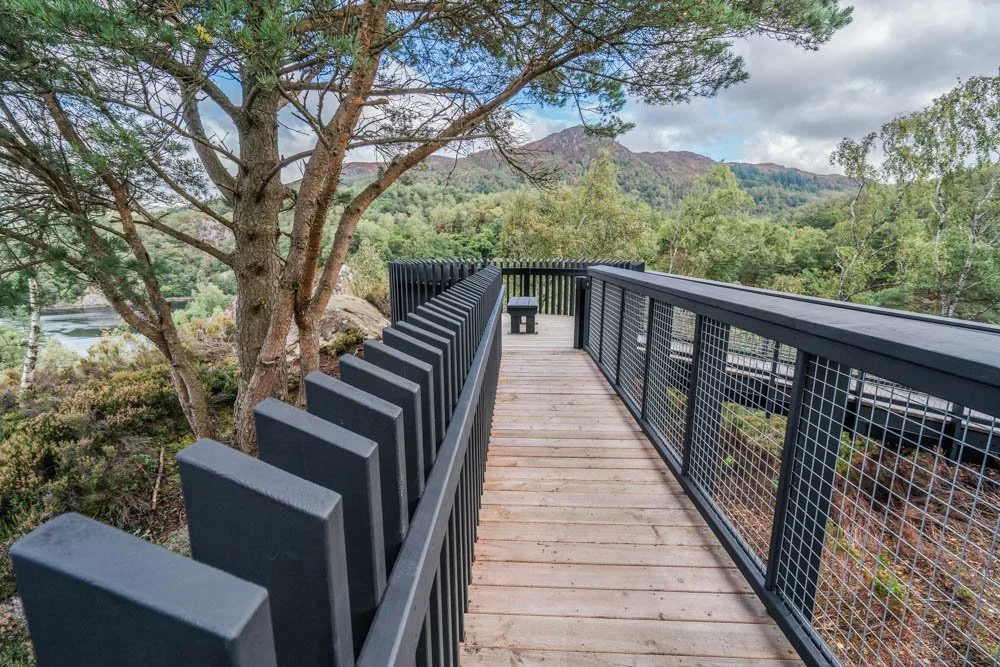
Few places in Scotland bring together rare wildlife, ancient woodland, deep geological time and cultural history quite like Craig Leven, which is the hill adjacent to Trossachs Pier, Loch Katrine, and home to the new Scenic Tower, with panoramic viewpoints, at the site credited as ‘The Birthplace of Scottish Tourism’.
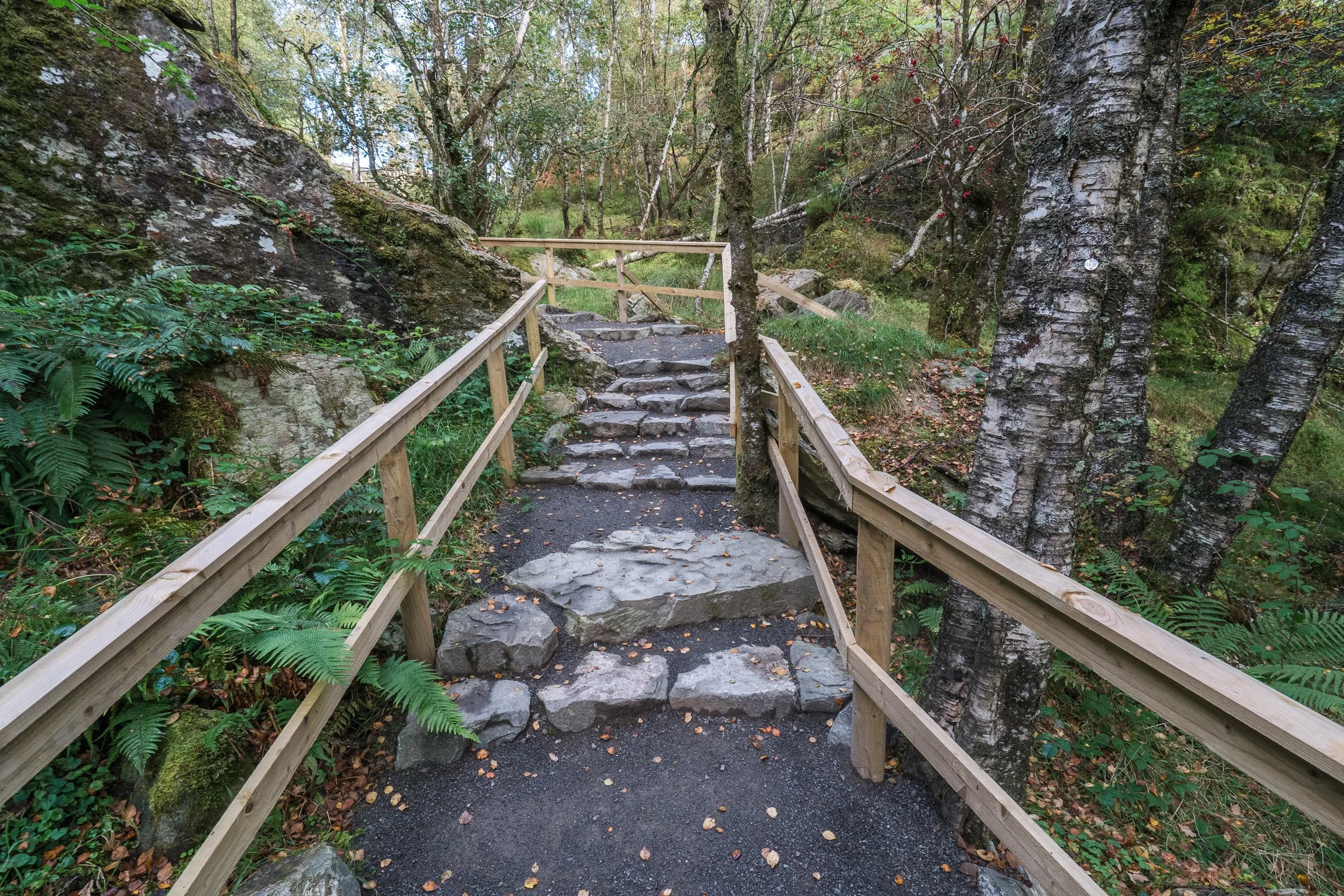
The new rainforest nature trail, can be found on the path to the tower, accessed via the Trossachs Pier car park and leads through part of Scotland’s temperate rainforest, often called Atlantic or Celtic rainforest, one of the world’s rarest woodland habitats. Rainforest covers less than 1% of Scotland and survives only in scattered fragments where clean air, high rainfall and long-established woodland have endured. Some conservationists point out that this habitat is rarer globally than tropical rainforest, which makes places like this exceptionally special.
The rainforest trail includes ancient oak, birch and hazel support a living community of mosses, lichens, fungi, insects, birds and mammals, many depending on the cool, humid conditions this habitat creates.
There is ecological continuity here stretching back centuries. In places like this, time works slowly.
A Global Rarity in the Trossachs
Scotland’s rainforest is internationally important for biodiversity. These woods support species found in very few other places in Britain, particularly lichens, mosses and liverworts that rely on long-undisturbed habitat.
A single mature oak can support hundreds of associated species. Some rainforest lichens grow only one or two millimetres in a year. Colonies visible on trunks today may have taken decades to form.
Sphagnum mosses along the trail can hold up to twenty times their weight in water, helping regulate moisture through the woodland and storing carbon at the same time.
Deadwood, often overlooked, can support a remarkable share of woodland biodiversity. Even fallen birch trunks become nurseries for life. Nothing in rainforest stands alone.
What to Look For on the Trail
On the trail you will find a series of information panels exploring the species and habitats discovered here, and how together they reveal why this special, triple SSSI-protected area is nationally important.
Leafy lungwort and beard lichens clinging to bark and stone are among the classic indicators of rainforest habitat. Their presence signals clean air and long woodland continuity.
Ancient oaks along the route help create the humidity and shelter many specialist species need to survive.
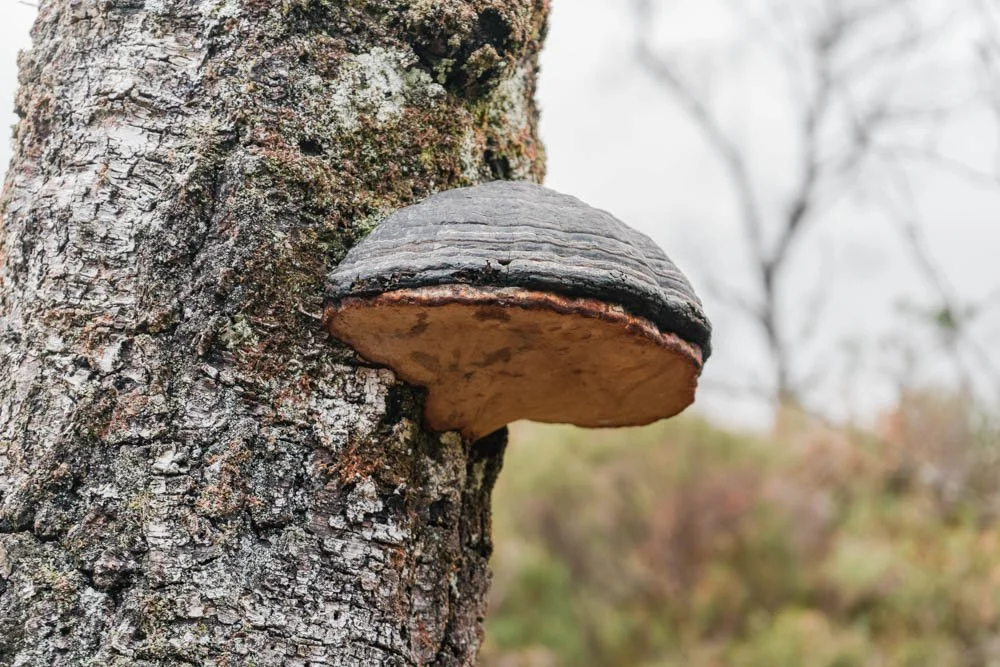
Underfoot, sphagnum moss creates the rainforest’s natural water system, while fungi such as Horse’s Hoof Fungus show woodland recycling at work.
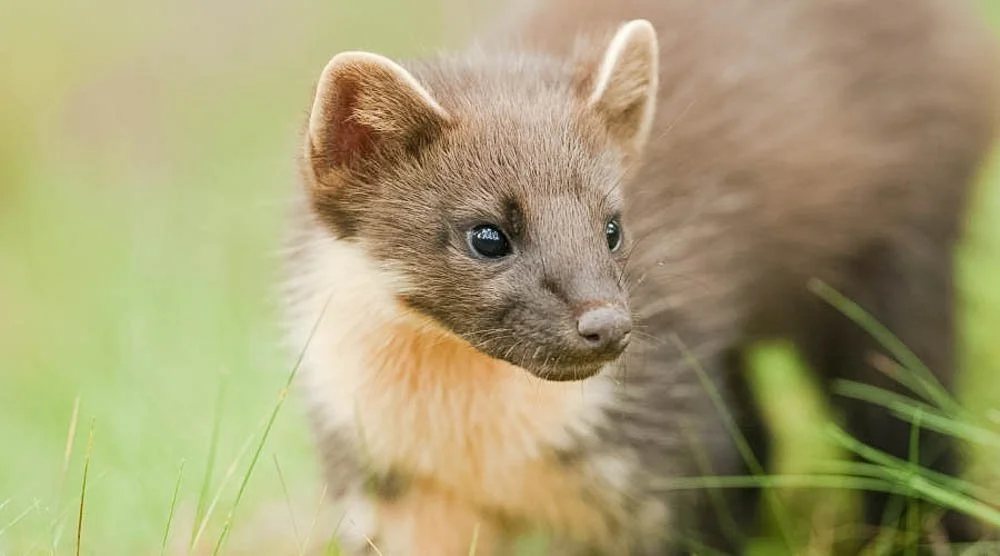
The woodland also supports red squirrels, pine martens, woodland birds, butterflies and insects, all part of a richly connected ecosystem.
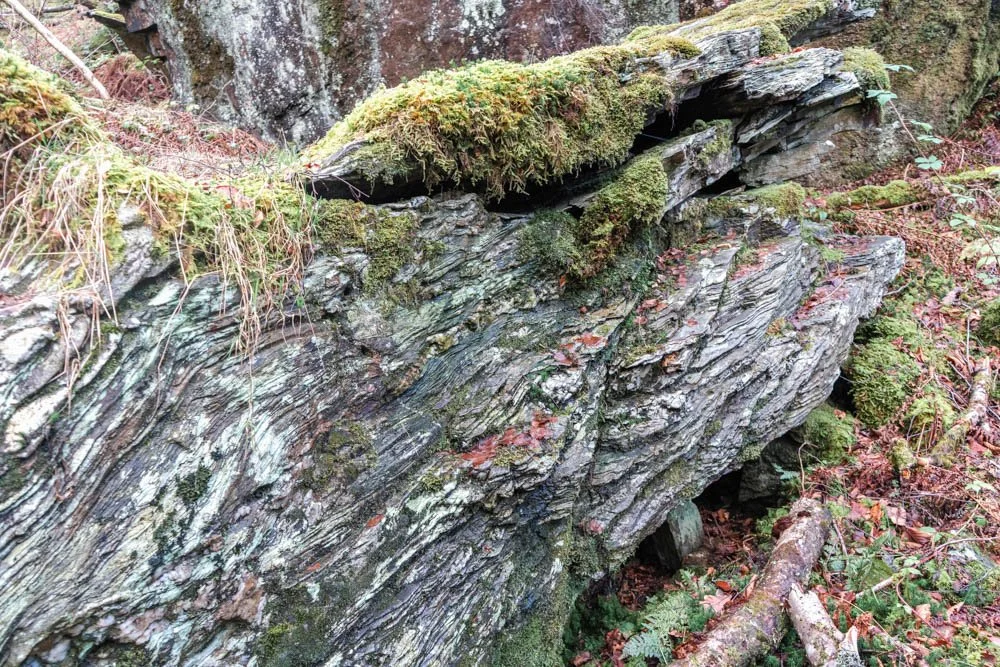
Along the route, even the rocks tell stories. Schist formed during ancient continental collisions lies beside quartz veins and glacial erratics left by ice around 10,000 years ago.
Meet Dennis the Menace
Why on earth would this iconic cartoon mischief maker be found on Scotland’s Rainforest Nature Trail?
One of the lichens found here is Parmotrema crinitum, or more affectionately nicknamed Dennis the Menace, named for its shaggy, bristling appearance said to resemble the wild hair of the famous Beano character first published in Dundee in 1951.
It feels especially fitting that Dennis appears on this trail, opened Spring 2026, in the year that The Beano celebrates its 90th anniversary, linking one of Scotland’s best-loved comic creations with one of Scotland’s rarest habitats.
Like its cartoon namesake, this lichen has character.
Lichen enthusiasts, often use memorable nicknames. You can also find species with names such as Black-eyed Susan and Frilly Lettuce.
Yet Dennis is more than a just a more memorable name.
This shaggy lichen represents something important. Species like these thrive only where rainforest conditions have persisted for long periods. Their survival tells a much bigger story about the health and age of the woodland.
Beano © DC Thomson & Co Ltd (2026)

Part of a Bigger Restoration Story
Craig Leven is part of a wider landscape of recovery.
Loch Katrine lies within the Great Trossachs Forest, one of the largest native woodland restoration projects in the UK, where more than four million trees have already been planted to reconnect habitats over a vast area.
This is not simply surviving rainforest. It is rainforest with a future.
These woodlands matter for biodiversity, carbon storage, flood resilience and climate adaptation, as well as for their beauty.
Places like this have become increasingly recognised not as remnants alone, but as vital landscapes for restoration.
Remarkable Rainforest Facts
Some rainforest lichens are so sensitive they disappear when air quality changes.
Many lichen communities take decades, even centuries, to develop.
Temperate rainforest stores significant amounts of carbon both above and below ground.
The underground fungal networks associated with woodland soils can link trees and help share nutrients.
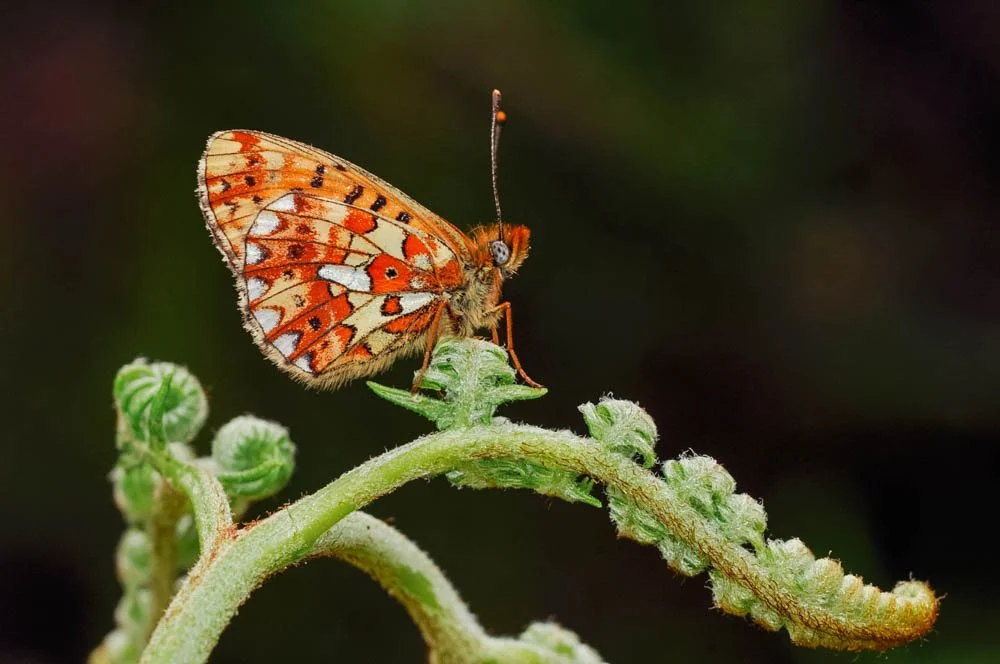
The Pearl-bordered Fritillary, associated with habitats like these, is among Scotland’s rarest butterflies.
A pine marten can leap more than two metres between branches.
Damage done to slow-growing rainforest species in moments can take decades to recover.
That is why places like Craig Leven are so important.
Explore More
To discover more about Scotland’s rainforest and the wider landscape around Loch Katrine:
Support the Steamship Sir Walter Scott Trust
The Rainforest Trail was created by the Steamship Sir Walter Scott Trust to help reveal the extraordinary natural and cultural heritage of Loch Katrine.
As a charity, the Trust cares for the historic steamship which first sailing in 1900, and supports projects that help protect, interpret and share this remarkable landscape.
If this trail has inspired you, please consider making a donation.
Support helps conserve both the stories of Loch Katrine and the living rainforest itself.